Your pond looks lifeless. The water sits there like glass, barely moving except when a breeze ripples the surface. You walk by it every day, and something feels not quite right. Maybe it’s the slight smell you’ve started noticing, or the way your fish seem sluggish near the bottom.
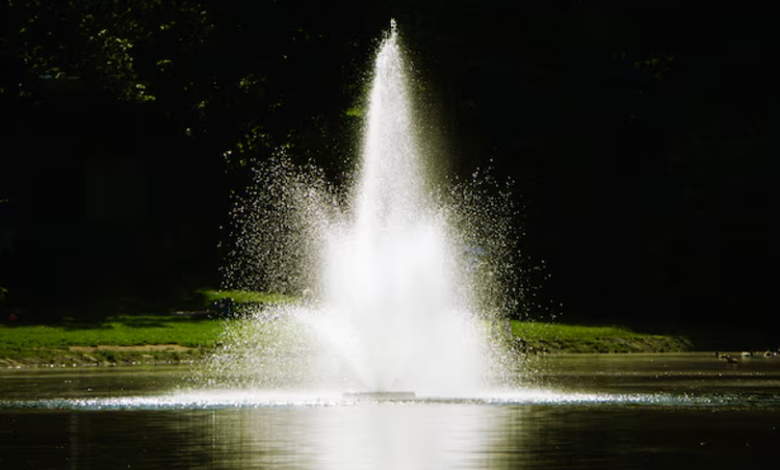
Pond fountains floating can fix this problem, but picking the wrong one could waste money and create more headaches. The marketplace is full of options that look similar but perform completely differently. Some work great for small backyard ponds, while others need massive water features to function properly.
The Real Reason You Need a Fountain
Most people think fountains are just for looks. That’s backwards thinking. The visual appeal is nice, but the practical benefits matter more for your pond’s health.
Stagnant water becomes a breeding ground for algae. Without movement, oxygen levels drop, and fish start struggling. Mosquitoes love still water surfaces. Bad smells develop when organic matter sits without circulation.
A fountain creates constant water movement. This movement brings oxygen to the surface and keeps things circulating. Your fish get more oxygen. Algae have a harder time establishing themselves. The ecosystem stays balanced.
The pretty water display is just a bonus on top of these practical benefits.
Matching Fountain Size to Your Pond
Here’s where people mess up constantly. They see a fountain online that looks perfect and order it without checking if it matches their pond size. This approach leads to disappointment every time.
Small ponds under 1000 gallons need gentle fountains. Look for units in the 200 to 500 GPH range. Anything bigger creates too much turbulence and splashes water out of the pond. Simple spray patterns work better than complex multi-tier designs.
Medium ponds between 1000 and 5000 gallons have more flexibility. You can go with 500 to 1500 GPH units. Multi-tier patterns start making sense at this size. You have room for wider spray displays without overwhelming the space.
Large ponds over 5000 gallons need serious fountain power. Look at 1500 GPH and higher. Sometimes multiple smaller fountains work better than one massive unit. This depends on your pond shape and how you want the water to circulate.
The GPH rating tells you how much water moves through the system per hour. But manufacturers don’t always explain how this translates to actual performance in your specific pond setup.
See also: Travel Tips to Avoid Bringing Bedbugs Home
Power Options and Installation Reality
Electric fountains need GFCI outlets within reach of your pond. Many people forget about this detail until after they’ve bought their fountain. Running electrical lines across large yards costs serious money. Sometimes you need an electrician, which adds to the total project cost.
Solar fountains avoid electrical complications but come with performance trade-offs. They work great on sunny days but struggle when clouds roll in. Battery backup helps with consistency, but makes the system more complex.
Consider where your pond sits relative to your house. Closed ponds make electrical connections easier. Distant ponds might favor solar options even if the performance isn’t quite as strong.
The head height requirement affects pump selection, too. Taller fountain displays need more powerful pumps to push water up against gravity. Check these specifications before making your final choice.
Water Depth Affects Everything
Shallow ponds create challenges for fountain placement. Most units need at least 2 to 3 feet of depth to operate correctly. In shallower areas, you might see reduced spray height or uneven patterns.
Deeper ponds give you more placement options. You can position the fountain where it looks best without worrying about operational problems. However, depth also affects submersible pump performance in ways that aren’t always obvious from product descriptions.
Some fountains include adjustable spray patterns. This feature helps when you’re not completely sure how the fountain will look in your specific pond layout. You can fine-tune the display after installation.
Maintenance Requirements Everyone Ignores
Every fountain needs regular cleaning whether you want to deal with it or not. Debris clogs intake screens. Algae grows on pump components. Winter preparation becomes necessary in cold climates.
How often you clean depends on your pond environment. Trees overhead mean more debris. Shallow water heats up faster and encourages algae growth. Fish waste adds to the maintenance load.
Plan for deep cleaning every few months, minimum. Quick monthly checks help catch problems before they get expensive. Some fountain designs make maintenance easier than others, so look for units with accessible parts.
Expensive Mistakes to Avoid
Buying based on photos alone sets you up for disappointment. Fountain displays look different in various pond settings. What works in a professional display pond might look ridiculous in your backyard setup.
Ignoring electrical requirements creates safety hazards and budget problems. GFCI protection isn’t optional in wet environments. Professional installation costs money upfront, but prevents bigger problems later.
Underestimating maintenance time frustrates pond owners who thought fountains were set-and-forget devices. These systems need attention throughout the year. If regular upkeep doesn’t fit your schedule, reconsider whether a fountain makes sense.
Making Your Decision
Start by measuring your pond accurately. Calculate the gallon capacity using length, width, and average depth. Online calculators give decent estimates for basic pond shapes.
Think about your local weather patterns. Harsh winters mean complex seasonal procedures. Hot summers require more frequent maintenance checks. Factor these realities into your fountain choice.
Consider your main goals. Maximum aeration for fish health requires different fountain types than pure visual appeal. Some designs excel at water circulation while others focus on dramatic displays.
Final Thoughts
The right floating fountain transforms your pond from stagnant water into a living feature. It solves practical problems while creating visual interest. Take time to match the fountain specifications to your actual pond situation rather than buying the first attractive option you find.
You’re investing in your pond’s long-term health and your own enjoyment of the outdoor space.