Water damage doesn’t follow city limits. From coastal humidity to inland heat and aging infrastructure, homes throughout Los Angeles County face a wide range of water-related risks. A burst pipe in winter, a hidden slab leak, or an appliance failure can quickly turn into structural damage if not handled correctly.
This article explores how water damage restoration works at a county-wide level, why location matters in the restoration process, and what homeowners should understand before damage spreads beyond the obvious wet area.
Why Water Damage Looks Different Across Los Angeles County
Los Angeles County is massive and diverse. Housing styles, building materials, and environmental conditions vary dramatically between neighborhoods—and that affects how water damage behaves.
Some common regional factors include:
- Older plumbing systems in mid-century homes that are more prone to pinhole leaks
- Slab foundations, which allow water to travel unseen beneath flooring
- High-density construction, where damage can affect shared walls or multiple units
- Temperature swings, accelerating evaporation on the surface while moisture remains trapped underneath
Because of these variables, water damage restoration isn’t a one-size-fits-all process. What works in one home may be ineffective—or even harmful—in another.
See also: Integrating AI and Telegram: How Blum’s Technological Innovations Affect Blum Price
The Real Timeline of Water Damage Inside a Home
Many homeowners underestimate how fast water causes damage because the early signs can be subtle. Understanding the internal timeline helps explain why professional restoration is often necessary.
Within the first few hours:
- Drywall begins absorbing moisture
- Wood trim and baseboards start swelling
- Flooring adhesives weaken
Within 24–48 hours:
- Moisture migrates into wall cavities and subfloors
- Materials begin to warp or delaminate
- Odors may develop even if surfaces feel dry
After several days:
- Structural materials may require removal, not just drying
- Repairs become more invasive and costly
The earlier water is properly extracted and dried, the more materials can often be saved.
Why “Drying It Out” Isn’t Always Enough
A common mistake homeowners make is assuming fans and open windows will solve the problem. While airflow helps, it doesn’t address moisture trapped beneath surfaces.
Water damage restoration focuses on two distinct phases:
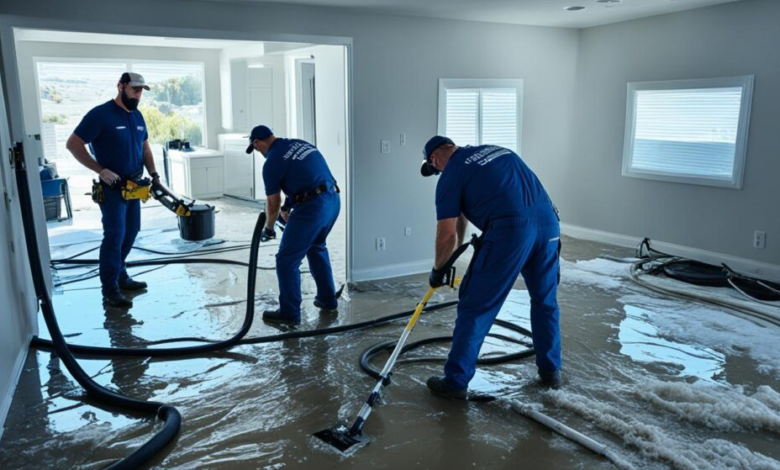
- Water removal, which reduces the total moisture load
- Controlled drying, which safely evaporates remaining moisture without spreading it
Without proper extraction, moisture remains in padding, subfloors, insulation, and framing—even when rooms appear dry. This hidden dampness is what leads to long-term issues like material breakdown and recurring odors.
Commonly Overlooked Areas Where Water Hides
Across Los Angeles County homes, restoration professionals frequently find moisture in places homeowners don’t think to check.
These include:
- Under laminate, vinyl, or engineered wood flooring
- Behind baseboards and inside drywall
- Beneath cabinets, vanities, and built-ins
- In ceilings below bathrooms or laundry rooms
- Around HVAC vents and ductwork
If water reaches any of these areas, surface-level cleanup is rarely sufficient.
When Restoration Becomes More Than a DIY Project
Some minor spills can be handled with basic cleanup. But many water damage situations cross the line quickly—especially in larger homes or multi-room layouts common throughout the county.
You should strongly consider professional restoration if:
- Water has reached walls, ceilings, or flooring layers
- You can’t trace the full path of the water
- Damage involves more than one room
- The source was active for hours or longer
- There’s uncertainty about what materials are still wet
Professional restoration isn’t just about drying faster—it’s about drying accurately, so moisture doesn’t remain trapped behind finished surfaces.
For homeowners looking to understand how this process is handled on a broader scale, reviewing resources related to water damage restoration Los Angeles County can provide helpful context on regional challenges, response timing, and restoration standards across different communities.
How Location Impacts Restoration Strategy
Restoration approaches often adjust based on where a home is located within the county.
For example:
- Coastal areas may require more aggressive dehumidification due to ambient humidity
- Inland valleys often deal with rapid surface drying that hides deeper moisture
- Older neighborhoods may need careful material evaluation to avoid unnecessary demolition
Understanding these nuances helps ensure drying is thorough, not just fast.
Reducing the Risk of Repeat Water Damage
After restoration is complete, prevention becomes the next priority. Many water losses happen again simply because underlying risks weren’t addressed.
Practical prevention steps include:
- Replacing aging supply lines and valves
- Installing water leak detectors near appliances
- Resealing showers, tubs, and tile grout
- Scheduling routine plumbing inspections
- Knowing how to shut off your home’s main water supply quickly
These small steps can dramatically reduce the chance of another unexpected water event.
Conclusion: Restoration Is About More Than Cleanup
Water damage restoration across Los Angeles County isn’t just about removing visible water—it’s about understanding how moisture moves through different structures, climates, and building styles. Acting quickly, recognizing hidden damage, and knowing when professional help is needed can prevent a short-term incident from becoming a long-term problem.
With the right response, many water damage situations can be resolved efficiently, preserving both the structure of the home and the peace of mind of the people living in it.