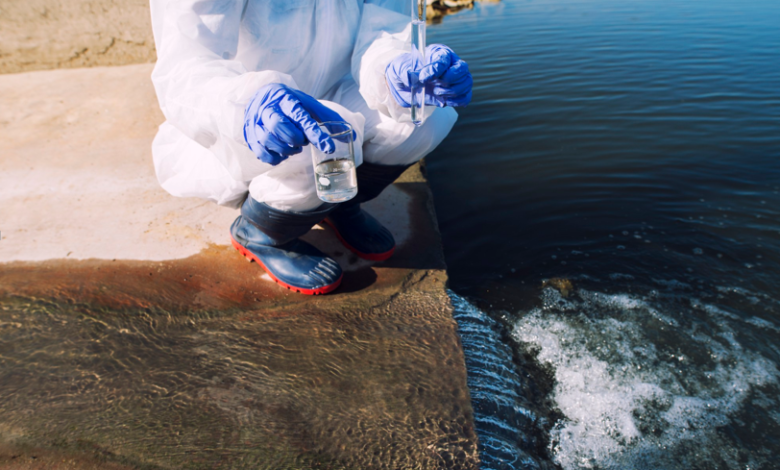
In Australia, a spill is considered major if it involves more than 200 litres of toxic, flammable, or hazardous liquids that are hard to control. Major spills threaten the safety of humans and wellbeing of the environment. However, with fast and compliant response to spill incidents, you can prevent severe penalties, heavy financial losses, and reputational damage.
If you are an industrial operator, site manager, Health, Safety & Environment (HSE) team member, or any other professional responsible for preventing and managing spills, then keep reading to learn about the 10-step major spill response process in Australia.
Step 1- Ensuring Immediate Safety
Take these actions as the first step to your major spill response strategy.
- Alert and Evacuate: You should warn others of the spill, and call emergency services by dialling 000. Next, move all your non-essential personnel upwind or uphill from the spill.
- Isolate Hazards: Make sure you are shutting off all the equipment. Turn off sources of ignition, like lights and motors. Also, cover the drains to prevent the spread of the spill.
- Protect Personnel: You should wear proper Personal Protective Equipment (PPE), as indicated by ANZ-ERG or Safety Data Sheet (SDS).
- Secure the Area: Make sure that a clear exclusion zone is established. Install barriers to keep people out until professionals arrive.
Step 2- Raise the Alarm & Notify Authorities
You should immediately raise the alarm once a spill incident happens. Use sirens or radios on site to alert all personnel and evacuate the danger zone. If you spot an immediate threat, such as fire or injury, then contact emergency services at 000 immediately.
You are also required to notify the state Environment Protection Authorities (EPA) or Environmental Line if the spill threatens the environment or is likely to cost more than $10,000 in clean-up. Additionally, document the time, exact location, and chemical details immediately to ensure safety and remain compliant.
Step 3- Identify Spill Response
Follow these actions to identify the spill substance and determine an appropriate course of action.
Use the SDS
You should use the SDS, which will provide you with the necessary information on hazards, reactivity, safety precautions, and spill-handling procedures.
Access Toxicity, Reactivity & Environmental Risks
You must run assessments to determine the potential dangers of the spill to human health, the environment, and nearby property.
Determine an Appropriate Response Method
You have to determine the specific methods and equipment needed for the clean-up. These depend on the properties of the spill chemical, like whether it is flammable or corrosive.
Avoid Incompatible Containment Materials
Understand that if you use the wrong material to contain the spill, there can be adverse reactions. This is why you need to check compatibility between the spilled chemical and contributing materials on the SDS.
Step 4- Stop the Source, If Possible
Stop the flow of the spilling chemical immediately if possible. But make sure you are wearing the right PPE when doing so. A few spill response actions that you can take to stop the source include the following:
- Shut the valves
- Turn off all pumps or machinery
- Upright the tipped containers
- Plug leaks with plugs or putty
You must also deploy temporary containment, such as drain mats or bunds. Also, do not intervene if the spilled substance is unknown, highly toxic, flammable, or if you lack proper training and protective gear.
Step 5- Contain the Spill
Containing the chemical is an important part of the spill response strategy. It prevents the chemical from spreading to drains, waterways, and soil. Use these items from a spill kit for containment.
- Use booms and socks to create barriers that can limit the area of the spill.
- Use absorbents like pads, pillows, and granules to soak up the liquid within the contained area.
- Use hydrophobic adsorbents for outdoor oil spills on water, such as sponges and pads made of polypropylene or modified melamine. You can also perform water testing to check the effectiveness of the containment.
- Use secondary containment systems like portable bunds to further prevent the chemicals from being released into the environment.
Step 6- Clean-Up & Recovery
Take these spill response actions for effective clean-up and recovery of the affected site.
- Contain & Clean: Remember that adsorbents are used for absorbing liquids, while acids and bases are neutralised if that is safe. You may also try to recover materials.
- Segregate Waste: You can place used PPE, contaminated absorbents, and used tools into designated sealed containers, such as biohazard bags.
- Decontaminate: It will be necessary to clean the surfaces of the spill area and the used equipment with the right cleaning agents or disinfectants.
- Prevent Exposure: You need to secure the wastes for proper disposal, following hazardous waste protocols if needed. Make sure that all personnel are clear of the contaminated zones.
- Recover & Report: Make sure you return equipment to storage after use, restock the spill kits, and prepare incident reports.
Step 7- Waste Disposal & Documentation
Here are the steps you have to follow for proper waste disposal and incident documentation.
| Spill Response Action | What To do |
| Waste Classification | You must identify whether the waste is hazardous or non-hazardous, based on SDS and regulatory lists. |
| Using Approved Facilities | Only use licensed transporters and facilities to treat, store, and dispose of hazardous waste. You may need specific EPA approvals, like for landfilling treated waste. |
| Record-Keeping & Chain of Custody | You need to maintain detailed records that help track waste from the spill site to the final disposal. This helps establish accountability for the spill response actions. |
| Reporting to the EPA | You are required to notify the relevant state EPA about major spills and contaminations. They have specific guidelines in place for remediation and reporting. |
Table 1: Tasks involved in Waste Disposal and Documentation during Spill Response
Step 8- Environmental Assessment & Remediation
Here are the actions to take for environmental assessment and remediation as part of the spill response.
Assess Contamination
You must get soil, groundwater, and surface water thoroughly sampled and analysed. Such soil and water testing will help you determine the nature and extent of the spill.
Engage Consultants
Reach out to qualified environmental consultants if you are dealing with complex sites, regulatory requirements, or complex technical solutions.
Develop Remediation Plan
You have to create a Remediation Action Plan (RAP) that outlines the clean-up strategies. It should also include removal, treatment, and containment strategies.
Implement Remediation
Depending on the risk from the spill and the feasibility of remediation, you have to choose between short and long-term methods, such as capping versus soil excavation and in-situ treatment.
Monitor & Validate
You must monitor the site continuously after applying remediation actions. It will be necessary to verify if the clean-up targets are met. A regulatory sign-off is often required at this stage.
Step 9- Incident Reporting & Investigation
You are required to report all major spills internally as well as externally to authorities like the EPA, immediately. Root Cause Analysis (RCA) must be performed for identifying underlying failures leading to the spill.
You must try to prevent its recurrence by implementing corrective or preventive actions. Finally, review and update risk assessments, training, and standard operating procedures. By doing so, you will strengthen spill preparedness and response procedures for the future.
Step 10- Review, Train & Improve
For the final step of spill response, these are the actions you should take.
- Review Plans: First, assess how effective your existing spill response plans are. Next, update the plans based on the newly identified risks or operational changes.
- Train & Drill: You must ensure that staff members are regularly trained in their roles. They must participate in realistic drills to practise the spill response procedures. Also, identify gaps in skill and training.
- Update Equipment: It is important to keep spill kits stocked. So, inspect the kits every month and make sure that they contain the right adsorbents, PPE, and containment gear for specific substances.
- Improve: A cycle of continuous improvement must be implemented. You can do that by analysing the incidents and feedback, and then auditing to refine your response.
See also: A Comprehensive Guide to Starting a Business in Asia
Prepared for Spill Response?
Responding to major spills in Australia is about taking safe actions immediately. You must assess the spill, alert personnel, protect yourself and others, contain the spill, clean the site, and report the incident to authorities.
Focus is placed on identifying hazards, ensuring the safety of personnel, stopping the source of the spill, containing the spread, and remediation. Spill response is a complex and dangerous procedure that requires proper equipment, protection, and training. So, for major spills, it is always advisable to reach out to environmental remediation consultants to ensure safety and compliance.