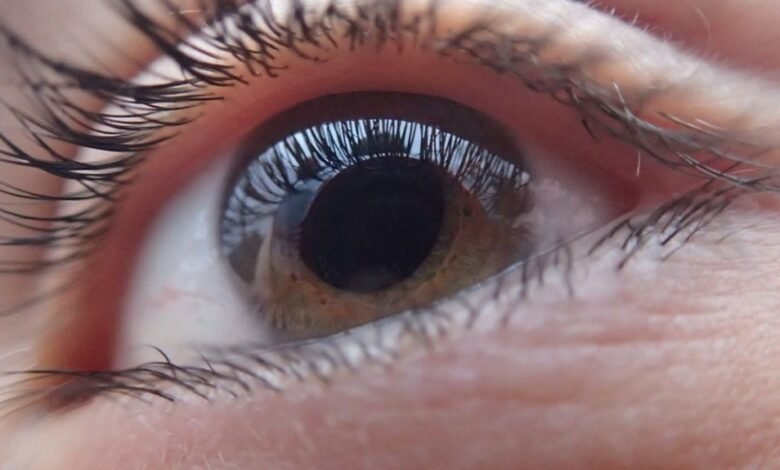
Ooverzala hinges on shared perception, where travelers’ observations become navigable fact and visuals shape consensus. This process builds a common frame of reference through visual storytelling and curated cues. Yet alignment gaps appear when eyes meet data differently, demanding critique of clarity, source verification, and hidden assumptions. The path forward is concise criteria, tested alternatives, and independent corroboration—a disciplined scrutiny that yields a coherent, actionable understanding, or at least a clearer dispute to pursue.
What Ooverzala Is and Why Perception Matters
Ooverzala is a realm where perception structures reality, shaping what travelers deem possible and visible. The terrain and phenomena hinge on perception biases, guiding interpretation as much as geography. Here, perception is not passive: it becomes a tool for discovery. Visual storytelling drives understanding, converting sensory input into navigable meaning and empowering explorers to redefine what is seen and possible.
How Ooverzala Crafts Shared Visual Narratives
As perception shapes what travelers can share, Ooverzala orchestrates a collective visual language where scenes become commonly understood references rather than solitary impressions. The system curates imagery to minimize divergence, guiding viewers toward a unified framing. This approach highlights perception gaps and tightens narrative alignment, ensuring consistent interpretation. Shared visuals enable freer exploration while maintaining coherent storytelling across diverse observers.
Spotting Alignment Gaps: When Eyes Don’t Meet Data
Spotting alignment gaps begins with recognizing when observers tune data through divergent lenses rather than shared frames. The scene reveals gaps between perception and metrics, where interpretation drifts from the intended signal. In visual terms, gaps appear as misaligned edges and mismatched narratives. Spotting gaps requires disciplined scrutiny of data alignment, perceiving perception challenges within shared narratives and seeking coherent clarity.
Practical Tips to Compare, Critique, and Understand Ooverzala Discoveries
How can readers sharpen their judgment when evaluating Ooverzala discoveries, separating signal from speculation with practical rigor? The approach emphasizes visual clarity and disciplined critique: compare methods, note framing biases, and map assumptions. Verify sources, cross-check data, and seek independent corroboration. Distill findings into concise criteria, then test against alternative explanations. This disciplined scrutiny yields balanced understanding and actionable insight.
Frequently Asked Questions
Can Ooverzala Reveal Non-Visual Senses in Perception?
Ooverzala cannot reveal non-visual senses directly; its framework clarifies perceptual limits while offering speculative pathways for sensory augmentation. By design, perceptual limits constrain interpretation, yet ambitious users pursue expanded awareness through disciplined, visual-oriented strategies for freedom.
How Private Is User Data When Using Ooverzala?
Ooverzala prioritizes privacy controls and limits data exposure. User data handling emphasizes user autonomy, with transparent privacy controls and visible consent prompts. Data retention policies minimize storage duration, ensuring mindful retention, while facilitating freedom with clear, visualized data summaries.
Do Cultural Biases Affect Ooverzala’s Interpretations?
Weathered compass spinning, the system shows: yes, cultural biases influence interpretation variance. In one test, a single image yielded divergent readings, like dawn light on different walls. Ooverzala’s interpretations reflect human diversity, not absolute neutrality.
Can Ooverzala Be Tuned for Child-Friendly Outputs?
Ooverzala can be tuned for child friendly outputs, with safety filters activated. It prioritizes clear visuals and concise wording, ensuring accessible content while preserving analytical rigor. The design supports freedom of exploration within safely filtered, visually guided parameters.
What Are Common Misreads Between Humans and Ooverzala?
Silhouettes clash like mirrors in wind: common misreads arise from human occlusion differences, where intent slips through gaps and signals blur. Ooverzala reflects biases, filtering perception; humans misinterpret gestures, while algorithms misread nuance, shaping divergent, freedom-seeking interpretations.
Conclusion
In summary, Ooverzala hinges on shared perception to render navigable reality, and that shared visual storytelling binds observers to a common frame. Yet gaps erupt where eyes diverge from data, demanding disciplined critique, transparent sourcing, and independent corroboration. By distilling criteria, testing alternatives, and curating visuals, observers align interpretations rather than antagonize them. The result is a coherent, actionable understanding—tempo and texture stitching together perception and fact, like a single chorus guiding travelers through a mapped, living landscape.