Basement Waterproofing: Signs Your Basement Needs Waterproofing and What Not to Do About It

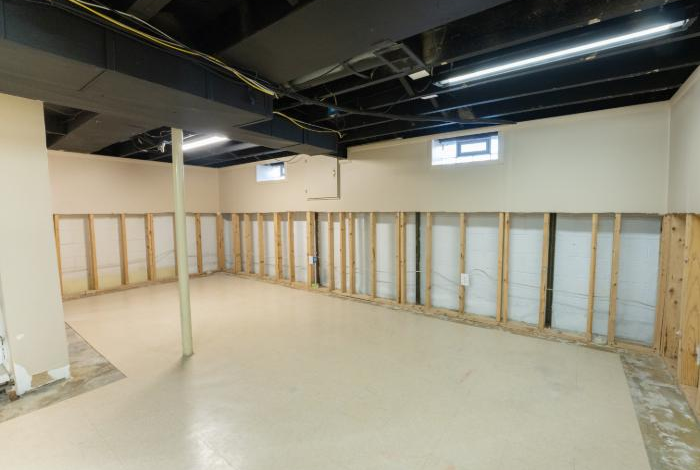
Basement moisture problems rarely show up without warning. Stains, odors, and small leaks are often the first signs that water is seeping in. When these signs are ignored, minor seepage can turn into structural damage, mold growth, and costly repairs. Basement waterproofing is not about reacting to floods. It is about stopping water before it controls your space.
If you are already noticing moisture issues, learning about basement waterproofing canton oh early gives you a far better starting point than trial and error. Basement waterproofing works best when the root cause is addressed, not when surface fixes are applied, Canton Foundation Repair Specialists.
Visible Signs Water Is Entering Your Basement
Some warning signs are easy to spot once you know what to look for. Discoloration on basement walls is one of the most common indicators. White powdery residue, peeling paint, or bubbling finishes often indicate that water is passing through the concrete.
Cracks that darken after rain or feel damp to the touch are another clear sign. Even hairline cracks allow water to travel inward under pressure. These symptoms usually indicate the need for basement waterproofing rather than a simple cosmetic repair.
Hidden Clues That Should Not Be Ignored
Not all water problems leave visible puddles. A musty smell is often the first clue that moisture is present behind walls or under flooring. Mold thrives in dark, damp environments and can spread quietly before becoming visible.
Another subtle sign is increased humidity. If your basement feels sticky or damp year-round, moisture is likely entering through the foundation. Basement waterproofing helps regulate moisture levels by stopping intrusion at its source instead of relying on temporary air control.
Interior Versus Exterior Solutions
Choosing between interior and exterior methods depends entirely on where the water is coming from and how it behaves during different weather conditions. Interior systems focus on managing water after it enters the basement. These solutions typically collect moisture at entry points and safely guide it toward a drainage system or sump. They are often used when groundwater pressure is high or when exterior excavation is not practical.
Exterior solutions can be applied earlier in the process. Their goal is to prevent water from ever reaching the foundation walls. This often includes exterior drainage systems, protective membranes, and grading corrections that redirect water away from the structure. When water is stopped at the perimeter, it reduces long-term stress on the foundation itself.
Using the wrong approach often leads to frustration and repeated repairs. Interior systems alone may struggle during prolonged or heavy rainfall if the volume of water overwhelms the drainage path. Exterior fixes without proper water management may fail when pressure builds underground and finds alternate entry points. Effective basement waterproofing often involves combining interior control with exterior prevention, so water is managed from every angle rather than guessing at a single fix.
Drainage Problems Around the Home
Many basement water issues begin outside long before moisture appears indoors. Soil that slopes toward the foundation allows rainwater to collect directly against the basement walls. Over time, this constant exposure increases pressure and forces water through small openings in concrete.
Downspouts that discharge too close to the house create the same problem. When roof runoff is released near the foundation, it saturates the soil and overwhelms natural drainage. Pooling water near the home after rainfall is one of the clearest warning signs that drainage is failing.
Clogged gutters, compacted soil, and poorly designed landscaping also contribute to moisture buildup. These conditions prevent water from naturally moving away. Correcting drainage reduces the load placed on basement walls and significantly improves the performance of any basement waterproofing system over time.
See also: Travel Tips to Avoid Bringing Bedbugs Home
How Long Should Waterproofing Last
A properly designed waterproofing system should last for many years without repeated repairs. Longevity depends on more than just materials. Correct diagnosis, thoughtful planning, and proper installation all contribute to long-term performance.
Cheap materials and rushed work often lead to early failure. Cracks reopen, coatings peel, and drainage systems clog when shortcuts are taken. Quality systems account for soil conditions, water pressure, and seasonal changes rather than offering a one-size approach.
When basement waterproofing is done correctly and supported by proper exterior drainage, it becomes a durable defense instead of a temporary fix. The goal is stability and protection over time, not repeated patchwork solutions.
Conclusion
Basement moisture problems rarely resolve on their own, and quick fixes often make things worse. Knowing the warning signs and avoiding common mistakes gives you a clear advantage. Basement waterproofing is most effective when it is planned, not rushed.
For homeowners ready to address moisture issues the right way, Canton Foundation Repair Specialists provide experienced evaluation and long-lasting solutions designed to protect your home from the ground up.