With the use of digital tools and local clinics, convenient healthcare access has brought care closer to people. This results in reducing cost, lowering travel time, and ensuring patients obtain quick treatment.
Key Takeaways
- Core Drivers: Telehealth consultations, local walk-in clinics, and smart wearable monitors allow patients to access real-time health data and medical support without traditional clinic wait times.
- Proactive Prevention: Quick, localized care encourages earlier intervention for minor health issues and enables better ongoing management of chronic conditions like diabetes and hypertension.
- Expanded Access & Equity: Mobile health units, virtual care, and community clinics bring specialist treatment to underserved rural areas and provide accessible options for elderly or mobility-impaired residents.
- System Efficiency: Diverting non-urgent cases to urgent care and walk-in clinics frees up hospital emergency rooms to focus on critical trauma and severe medical emergencies.
Waiting for weeks for a 20-minute doctor’s visit or spending hours in an emergency room for a minor ailment is now outdated. Convenience is no more a luxury. This is considered the key entry point into the healthcare ecosystem via retail clinics and virtual care.
This article evaluates the role of convenient healthcare access on obtaining medical support by common people.
What are the Drivers of Convenient Care?
The key drivers of convenient care include:
Telehealth Integration
Technology has played a significant role in healthcare advancement and that contributed to the inception of telehealth. 24/7 video consultations and remote patient monitoring ensure that you can connect with doctors via a smartphone or a tablet while staying at home. You can talk face-to-face via video to obtain medical advice, diagnoses, and digital prescriptions as per your convenience.
The Rise of Walk-in Clinics
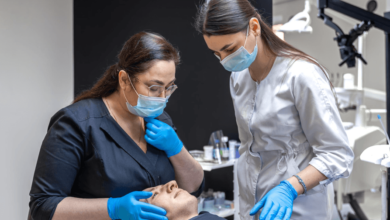
Visiting a walk-in clinic for minor health problems has become common for the Canadians in the recent time. What makes this a priority is that they offer quick treatment at a lower cost. People prefer visiting walk-in clinics for routine illnesses and vaccinations.
At-Home Diagnostics & Wearables
Keeping monitoring devices at home is common in almost all Canadian families nowadays. like, glucose monitors, smartwatches, and oximeters are used to track blood sugar levels, heart rate and pulse rate, and oxygen saturation level respectively. This lets patients obtain real-time health data before visiting a clinic.
How Communities are Benefitting from Convenient Healthcare Access?
The top benefits are:
Shifting From Reactive Treatment to Continuous Prevention
Unlike a traditional hospital, a walk-in clinic in Gatineau offers easy and quick treatment access. You need to book an appointment to get your medical condition evaluated on the same day. This minimizes long waiting time.
Easier access results in earlier intervention. This leads to preventing minor issues from escalating to something bigger. This lowers your chance of emergency room visits. Also, you can manage chronic conditions (hypertension, diabetes, etc.) in a better way via home-based care.
Closing Rural and Underserved Access Gaps
The health infrastructure in the urban areas is not the same as in the rural areas. With telehealth and mobile health vans, seeking quality care is no more a big concern. Even if you stay in a remote village, you can receive care easily if you have smartphone and internet access.
Quality local providers are scarce in remote areas. Referring to convenient healthcare access, specialist care is brought in such areas. This results in offering quality care while improving overall community health.
Reducing Pressure on Emergency Departments
It is not possible for a hospital to tackle numerous cases at once. A good solution here is to divert non-urgent cases to urgent treatment centers. Like, a minor illness is referred to a walk-in clinic.
When minor cases are handed over to walk-in clinics, hospital emergency rooms are left for critical trauma. This creates a perfect balance and no medical cases is left unattended.
Stronger Health Equity for Elderly or Disabled Residents
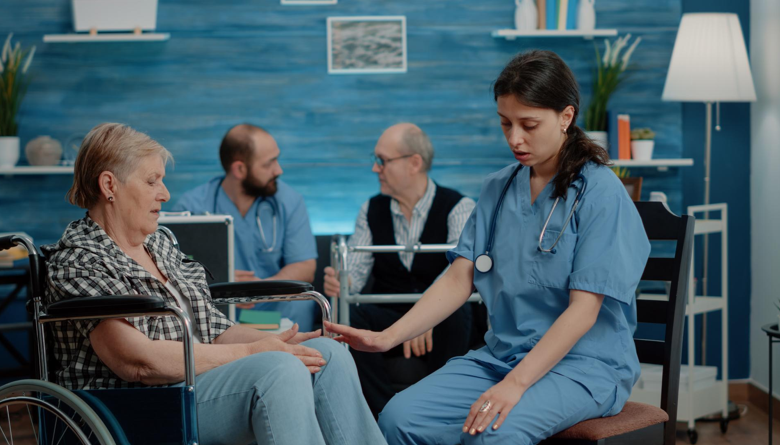
Older people with mobility problems or disabled residents cannot travel easily. Well, this should not be a barrier for their treatment. Right? A renowned walk-in clinic in Gatineau ensures receiving non-emergency medical care via phone or video from their home convenience.
What are the Key Challenges that Keep People Worried?
Here are the main challenges related to convenient healthcare access.
Unequal Access to Fast Internet
Internet access in the urban areas is not the same as in the rural areas. This makes telehealth access challenging for people living in the remote areas.
Data Privacy Concerns
While you opt for digital health services, you have to provide personal information. This can be a concern as there is a chance of data stealing. Ensure that the platform or the application you use prioritizes data privacy.
The Digital Divide
Older people are not so well-versed with technology usage. This makes them leaning towards visiting hospitals or clinics more.
See also: How to Apply for a Kenya Tourist Visa: A Step-by-Step Guide
Conclusion
Convenient healthcare access benefit communities by offering continuous prevention over reactive treatment, closing rural and undeserved gaps, and minimizing pressure on hospital emergency rooms. Walk-in clinics offer quality care for minor cases while eliminating long waiting time.
Ready to Obtain Convenient Healthcare Access?
Find a trusted walk-in clinic in Gatineau. Check the services they offer and get aware of the appointment booking process. Get it treated before it reaches emergency rooms.