Thinking about a nose job in Dubai often starts with a simple feeling: your nose draws attention in a way you do not love, or it is making breathing harder than it should be. Dubai has become a well-known place for rhinoplasty because it blends experienced specialists, advanced medical facilities, and a patient journey that is often organized and efficient. If you are weighing your options, it helps to understand what the process looks like, what results are realistic, and how to choose the right surgeon.
In many cases, people begin by browsing credible clinic pages and learning the basics of procedures like nose job in Dubai before booking a consultation, especially if they are traveling from abroad.
Why Dubai attracts rhinoplasty patients
Dubai appeals to patients for a mix of medical quality and convenience. Clinics often serve both residents and international visitors, so they are used to different expectations, schedules, and follow-up needs.
Here are a few common reasons people choose Dubai:
- High clinical standards and modern facilities: Many hospitals and surgical centers use up-to-date operating rooms, strict hygiene protocols, and contemporary anesthesia practices.
- Surgeons with diverse training backgrounds: It is common to find specialists who have trained or worked across different countries, which can influence technique and aesthetic approach.
- Options for both appearance and function: Many patients want a nose that looks better and also helps them breathe better. Dubai clinics frequently handle both goals in one plan.
Cosmetic goals vs breathing improvements
Not every nose job is only about looks. Some people want to refine a hump, lift or define the tip, or create better balance with their other facial features. Others are dealing with functional problems such as a deviated septum, narrow internal nasal valves, or past injury.
A good surgeon will clarify whether your priorities are:
- Aesthetic changes: Bridge smoothing, tip refinement, narrowing, symmetry adjustments, or profile balancing.
- Functional correction: Improving airflow, addressing septal deviation, or rebuilding internal support.
- A combination of both: Very common, and often the most satisfying when planned carefully.
Types of procedures you may hear about
During your research, you will likely see several procedure names. The main categories are:
- Aesthetic rhinoplasty
Focuses on reshaping the outer appearance while keeping the result natural and proportional. - Functional rhinoplasty or septoplasty (or both)
Targets internal structure to improve breathing. Sometimes it is paired with cosmetic refinements. - Revision rhinoplasty
A secondary surgery after a previous nose operation. It tends to be more complex because of scar tissue, altered anatomy, or weakened cartilage support. If you need revision, surgeon experience matters even more.
See also: How Nail Salons Can Help You Maintain Healthy and Beautiful Nails
What happens during the consultation
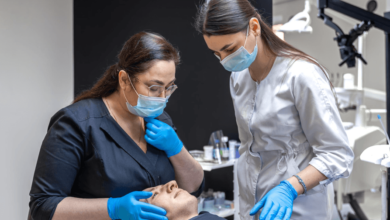
The consultation is where you find out if your desired result matches what your anatomy can safely achieve. A thorough surgeon typically assesses:
- Your nasal structure, skin thickness, and symmetry
- Breathing function and internal support
- Facial proportions, including chin and midface balance
- Any history of trauma, allergies, or prior nasal surgery
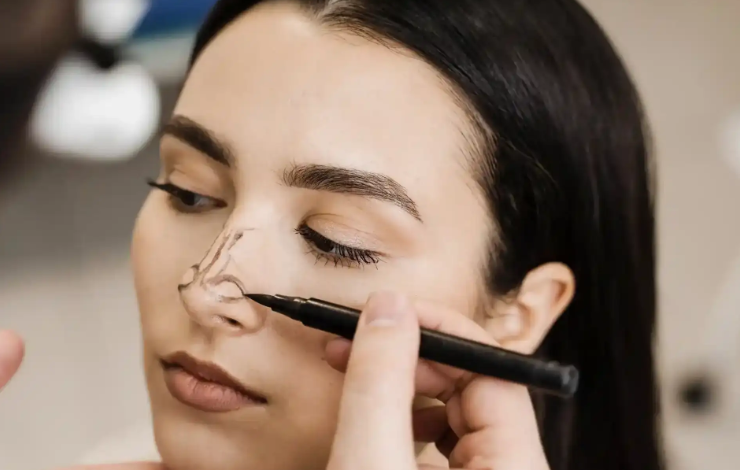
Many clinics use standardized photos and may use imaging tools to help you visualize a direction. The key is to treat visual previews as a communication tool, not a promise. What you want is alignment: you and your surgeon agreeing on a realistic target that fits your face.
Surgery basics and recovery timeline
Most rhinoplasty procedures are done under general anesthesia and often take one to three hours, depending on complexity. Your surgeon may use an open or closed approach, based on what needs to be changed and how much precision is required.
Recovery is a process, not a single moment. A typical pattern looks like this:
- First week: Expect swelling, congestion, and possible bruising. A splint is common.
- Days 7 to 14: Many patients return to desk work and social activities, though you may still look a bit puffy.
- Weeks 4 to 6: You usually can resume exercise gradually, but contact sports and nose pressure are still off-limits.
- Months 6 to 12: The final refinement continues as subtle swelling resolves, especially around the tip.
Risks, safety, and what “natural” really means
Every surgery has risks, including bleeding, infection, asymmetry, scarring, breathing issues, or results that do not match expectations. The best way to reduce risk is not chasing the cheapest quote or the fastest booking. It is choosing a qualified surgeon, following instructions closely, and speaking up early if something feels off in recovery.
Also, “natural” does not mean “no change.” It usually means the result fits your face so well that people notice you look refreshed, not operated on.
How to choose a surgeon and clinic in Dubai
Your outcome depends heavily on who performs the operation. When comparing options, focus on:
- Credentials and scope: Look for surgeons who regularly perform rhinoplasty and can address both form and function when needed.
- Before and after consistency: Seek results that match your taste, especially in noses similar to yours.
- Clear follow-up plan: You should know exactly how many post-op visits are included, and what support exists if you travel home.
- Transparency on pricing: Ask what is included: anesthesia, facility fees, medications, and revision policies if complications occur.
Planning if you are traveling
If you are visiting Dubai for surgery, plan your schedule around healing, not sightseeing. Most people benefit from staying long enough for early follow-ups, and you should have a clear plan for communication once you return home.
Final thoughts
A nose job in Dubai can be an excellent option if you approach it with realistic goals, careful research, and a focus on safety. Take your time, meet more than one surgeon if needed, and choose the doctor who listens well and explains clearly. Good rhinoplasty is not about chasing a trend. It is about building a nose that suits your face and works well for years to come.